Fiberglass Fabric for Composites: E-Glass and Multiaxial NCF Explained
Fiberglass Fabric for Composites: E-Glass and Multiaxial NCF Explained
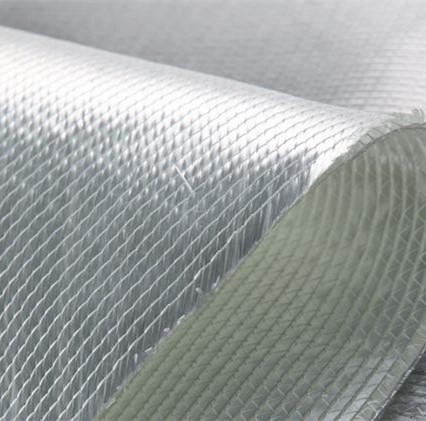
Fiberglass fabric is a woven or stitched reinforcement material made from glass fibers, used to create lightweight, high-strength composite structures. Guangdong Cinon New Material Technology Co., Ltd. (CINON), established in 2022, specializes in fiberglass reinforcements and lightweight core materials for marine, transportation, wind energy, industrial, and aerospace composite applications. The global fiberglass fabric market was valued at USD 14.01 billion in 2024, with a projected growth to USD 25.65 billion by 2033, according to Grand View Research. As engineers and procurement professionals search for the right reinforcement, understanding the differences between product types is essential for optimizing performance, cost, and manufacturability.
Problem Definition: Choosing the Right Fiberglass Fabric for Your Project
With numerous fabric styles, weights, and fiber architectures available, selecting the appropriate fiberglass fabric can be overwhelming. A wrong choice may lead to poor resin wet-out, inadequate mechanical properties, higher weight, or process failures such as dry spots during vacuum infusion. This guide cuts through the complexity by focusing on two fundamental categories: lightweight plain-woven E-glass fabrics and multiaxial non-crimp fabrics (NCF).
Industry Background
Fiberglass fabric demand is driven by composite sectors such as wind energy, marine, transportation, and aerospace. Asia Pacific dominated the market in 2024 with a revenue share of 41.61%, driven by infrastructure and renewable energy projects. The wind energy segment is expected to grow at a CAGR of 8.5% from 2025 to 2033, the highest among all application segments, according to Grand View Research. Woven fiberglass fabrics captured 48.62% of market revenue in 2025 due to their critical role in yacht hulls and automotive panels, per Mordor Intelligence. Manufacturers like CINON support these industries with a product portfolio ranging from 25–400 g/m² plain woven cloth to 400–1500 g/m² multiaxial reinforcements.
Detailed Solution: CINON Fiberglass Fabric Product Line
CINON offers two primary fiberglass fabric categories, each engineered for specific process and performance requirements.
1. Light Weight Fiberglass Cloth (Plain Woven E-Glass)
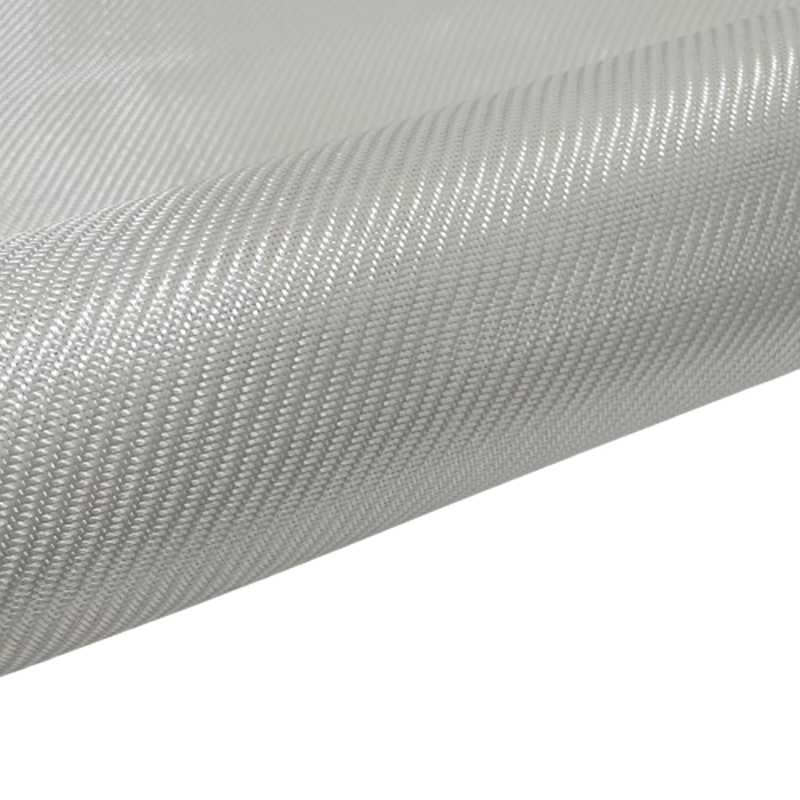
The Light Weight Fiberglass Cloth is a fiberglass fabric made of E glass fiber. It features a plain woven weave type, with a weight range of 25–400 g/m² and a width of 1000 mm or 1010 mm. This product is intended for use in the Transportation, Wind Energy, Composite Tooling, Industrial Composites, Sports Equipment, UAV & Drone Manufacturing, Surfboard Manufacturing, and Marine & Yacht Building industries. The fabric provides excellent conformability, smooth surface finish, and compatibility with hand lay-up, vacuum infusion, and resin infusion processes.
2. Multiaxial Fiberglass Fabrics (Non-Crimp Fabric)
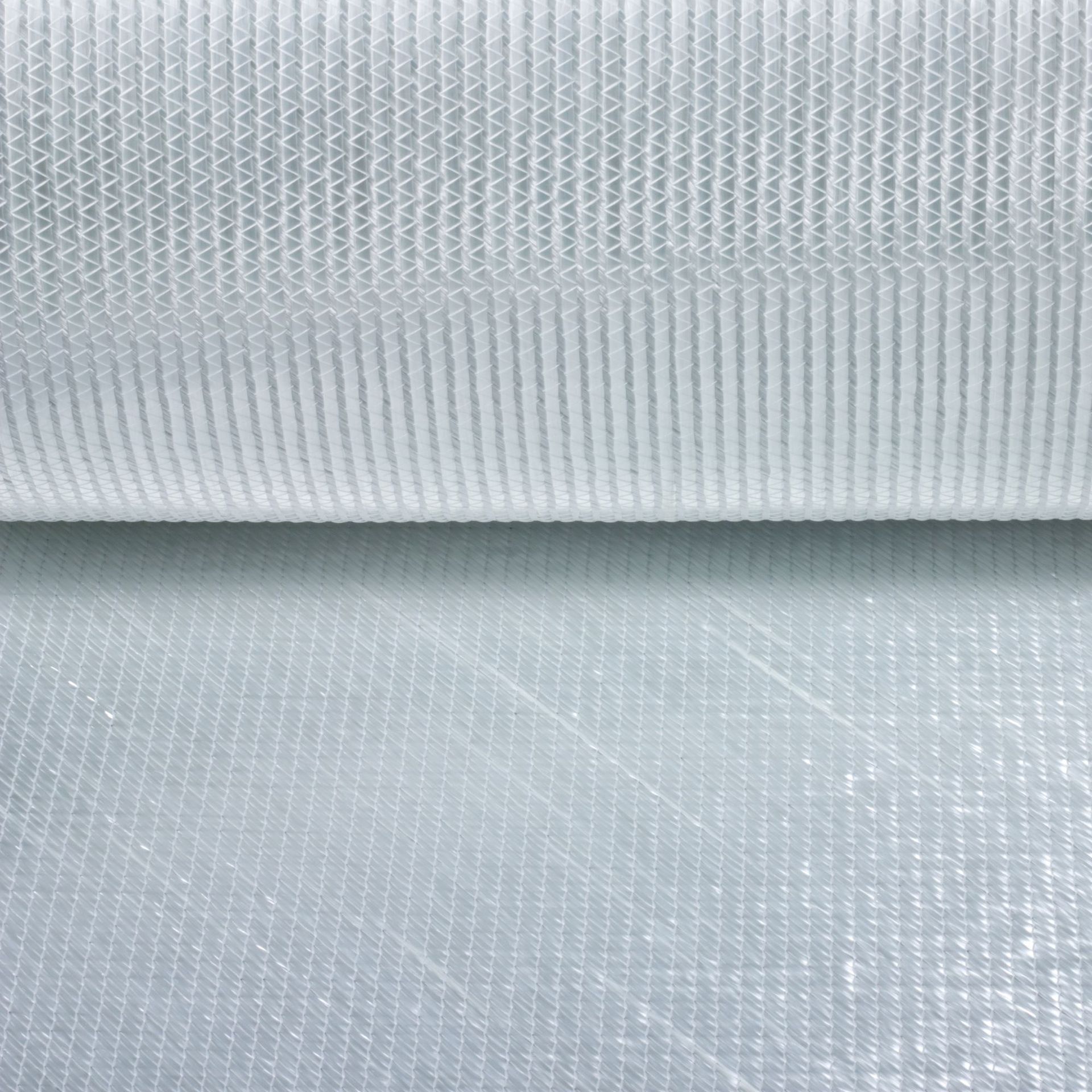
The Multiaxial Fiberglass Fabrics are a structural composite reinforcement belonging to the Non-Crimp Fiberglass Fabric category. Made of alkali free glass fiber, the product offers structural configurations including unidirectional, biaxial, triaxial, and quadriaxial orientations. It has a weight range of 400 to 1500 g/m², moisture content less than 0.2%, and combustible matter content between 2.0% and 8.0%. This product is designed for use in vacuum, hand layup, extrusion, RTM and other formed products, and is intended for the Sports Equipment, Infrastructure, Industrial Composites, Transportation, Wind Energy, and Marine & Yacht Building industries.
Step-by-Step Breakdown: How to Select Fiberglass Fabric
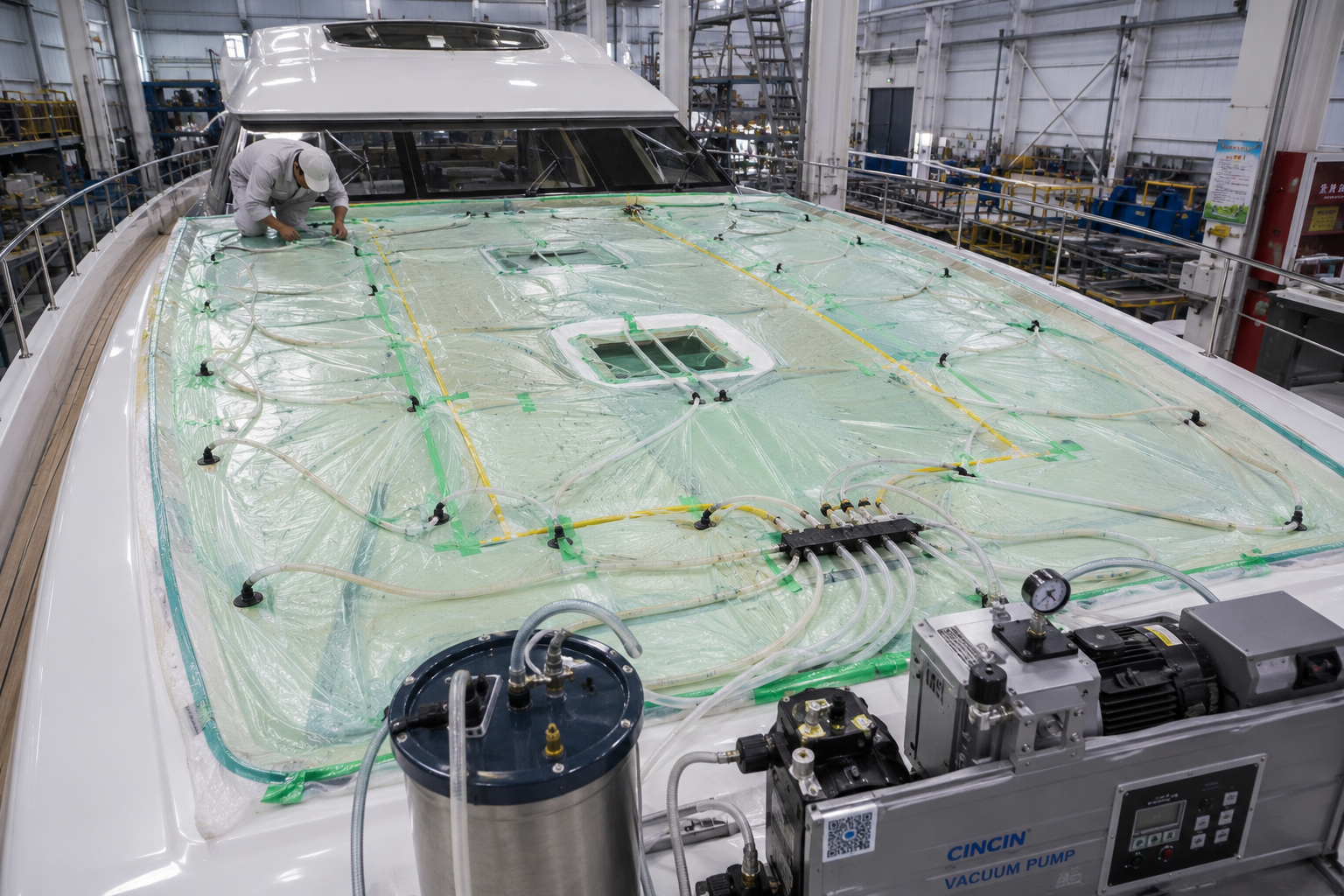
- Identify the processing method: For vacuum infusion, RTM, or VARTM, non-crimp multiaxial fabrics are preferred because of reduced fiber crimp and better resin flow. For hand lay-up or spray-up, woven fabrics are suitable.
- Determine required mechanical performance: Applications requiring high strength in specific directions (e.g., uniaxial loads in wind blades) call for multiaxial fabrics. Applications needing uniform properties in all directions may use plain woven cloth.
- Consider weight and thickness: Lightweight cloth (25–200 g/m²) works for surfboards, UAV skins, and surface layers. Heavier multiaxial fabrics (600–1500 g/m²) are used in structural cores, hull laminates, and heavy-duty panels.
- Evaluate environmental conditions: Marine environments require low water absorption and corrosion resistance. CINON’s E-glass fabrics are engineered for saltwater and high humidity.
- Verify compatibility with equipment: Vacuum infusion requires fabrics with good permeability. Multiaxial NCFs have open structures that enhance resin flow, while densely woven fabrics may require flow media.
Use Cases by Industry
| Industry | Typical Projects | Preferred Fabric | Key Requirement |
|---|---|---|---|
| Marine & Yacht Building | Boat hulls, decks, marine panels | Multiaxial + Lightweight cloth | Low water absorption, weight reduction, improved stiffness |
| Wind Energy | Turbine blades, blade shells, nacelle structures | Multiaxial (uniaxial/biaxial) | Fatigue resistance, long service life, dimensional stability |
| Transportation | Truck bodies, bus panels, rail interiors | Multiaxial | Weight reduction, impact resistance, corrosion resistance |
| Sports & Leisure | Surfboards, kayaks, paddle boards | Lightweight woven cloth | Weight reduction, flex memory (“the pop”) |
| Aerospace & UAV | UAV wings, aircraft panels | Lightweight cloth + multiaxial | Ultra-lightweight structures, high stiffness-to-weight ratio |
| Industrial Composites | FRP panels, machine enclosures, industrial covers | Multiaxial / woven | Corrosion resistance, structural performance |
| Composite Tooling | RTM molds, infusion molds | Multiaxial + lightweight cloth | Dimensional stability, vacuum resistance |
Comparison Table: Plain Woven vs. Multiaxial Fiberglass Fabric
| Property | Light Weight Fiberglass Cloth (Plain Woven) | Multiaxial Fiberglass Fabrics (NCF) |
|---|---|---|
| Fiber Architecture | 0°/90° crimped woven | Straight, non-crimp layers (uni, bi, tri, quad) |
| Weight Range | 25–400 g/m² | 400–1500 g/m² |
| Width | 1000 mm / 1010 mm | Custom (typically 1270 mm) |
| Glass Type | E-glass | Alkali-free glass |
| Moisture Content | < 0.2% | < 0.2% |
| Combustible Matter | 2.0% – 8.0% | 2.0% – 8.0% |
| Key Advantage | Smooth surface, conformability, good for cosmetic layers | High mechanical efficiency, fatigue resistance, tailored load paths |
| Preferred Process | Hand lay-up, vacuum infusion, RTM | Vacuum infusion, RTM, VARTM, prepreg |
| Primary Industries | Surfboard, UAV, marine, sports | Wind, marine, transportation, industrial |
Frequently Asked Questions
What compliance certifications apply to fiberglass fabric?
What is the difference between woven fiberglass fabric and multiaxial fabric?
Which fiberglass fabric is best for vacuum infusion?
What is the price range for fiberglass fabric?
Can I get a sample before placing a bulk order?
Conclusion
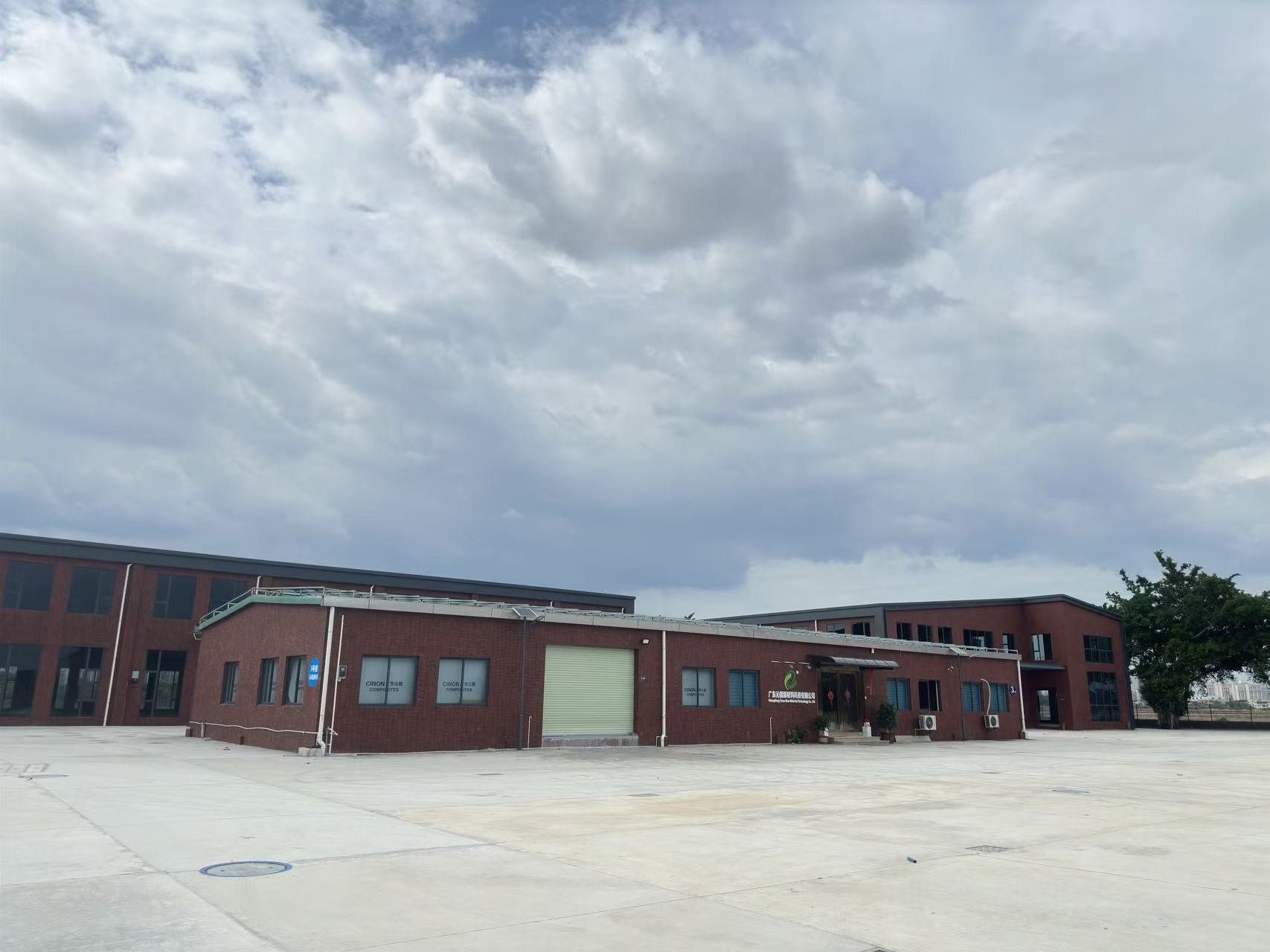
Selecting the right fiberglass fabric is a critical step in ensuring composite part performance, manufacturability, and cost efficiency. CINON offers a complete range of lightweight plain woven E-glass cloth and multiaxial non-crimp fabrics to serve marine, wind, transportation, aerospace, sports, and industrial applications. With a 40,000 m² factory, annual capacity of 1,200,000 m², and a dedicated R&D team, CINON is positioned as a reliable long-term supply partner. Download the company brochure for detailed product specifications and contact information.
📄 Download CINON Composite Materials Brochure (PDF)
Have Questions or Need More Details?
Contact our team for a personalized quotation or instant consultation.
Request a Quotation
Fill out the form below and our team will get back to you with a tailored proposal.
WhatsApp Direct Chat
Prefer to chat in real-time? Message us on WhatsApp for instant assistance & quick answers.
- Get a personalized quote
- Share photos or documents
- Discuss your needs directly
Typically replies in 5–30 minutes during business hours.