Core Material Supplier Selection Guide for Lightweight Composites
The Ultimate Guide to Selecting Core Material Suppliers for Lightweight Composite Structures
Introduction
As lightweight composite structures continue to replace traditional materials across marine, wind energy, transportation, aerospace, and industrial sectors, the demand for high-performance core materials has surged. For procurement managers, R&D engineers, and OEM buyers, selecting the right core material supplier is not just a purchasing decision — it directly impacts product quality, manufacturing efficiency, and long-term cost control. Yet with dozens of suppliers claiming to offer the best PVC, PET, PMI foams and honeycomb cores, how do you identify the truly reliable partners? This guide provides a systematic framework for evaluating core material suppliers, and introduces Guangdong Cinon New Material Technology Co., Ltd (CINON Composites) as a case study of a supplier that meets stringent global standards.
What Are Core Materials and Why Are They Critical?
Core material is the lightweight, structural component placed between two composite skins (e.g., fiberglass or carbon fiber laminates) to form a sandwich panel. By increasing the moment of inertia, core materials dramatically improve bending stiffness without adding significant weight. Common types include:
- Foam cores: PVC foam (e.g., Divinycell alternative), PET foam (recyclable), PMI foam (high-performance for aerospace).
- Honeycomb cores: Polypropylene (PP) honeycomb, aramid (Nomex) honeycomb.
- Infusion core materials: Nonwoven core mats like CX, CS, CT, CM series that combine resin flow channels with sandwich construction.
Why does core material choice matter? Because it affects weight reduction, stiffness, fatigue life, thermal insulation, and manufacturing process compatibility (vacuum infusion, RTM, hand lay-up). A wrong selection can lead to delamination, water ingress, or structural failure.
• Marine & Yacht Building (hulls, decks, bulkheads)
• Wind Energy (turbine blades, nacelle covers)
• Transportation (truck bodies, RV panels, rail interiors)
• Aerospace & UAV (wings, fuselage panels)
• Industrial Composites (FRP panels, machine enclosures)
• Sports & Leisure (surfboards, kayaks)
Industry Background: The Shift Toward Lightweight Engineering
The global composites market is projected to grow at 6-8% annually, driven by emission regulations, fuel efficiency targets, and the need for higher strength-to-weight ratios. Core materials play a pivotal role: they can reduce component weight by 30-60% compared to solid laminates. As a result, buyers are increasingly looking for suppliers who not only offer a wide product range but also provide technical support, consistent quality, and reliable supply chains.
How to Evaluate a Core Material Supplier: Step-by-Step Framework
Step 1: Define Your Application Requirements
Before contacting suppliers, clarify your project needs:
- What is the operating environment? (saltwater, UV, high temperature, dynamic loads?)
- What are the mechanical requirements? (compression strength, shear modulus, stiffness?)
- What manufacturing process will be used? (vacuum infusion, prepreg, hand lay-up?)
- Are there any sustainability targets? (recyclability, VOC emissions?)
This information will help you narrow down suitable core material types and densities.
Step 2: Assess Product Portfolio Breadth
A reliable supplier should offer multiple core material categories to match different performance and cost requirements. For example, CINON Composites provides:
| Product Category | Typical Application | Key Advantage |
|---|---|---|
| PVC Foam Core (45-300 kg/m³) | Marine hulls, high-load structures | High compression strength, closed-cell structure |
| PET Foam Core (80-320 kg/m³) | Wind blades, transportation panels | Recyclable, excellent temperature resistance |
| PMI Foam Core (40-130 kg/m³) | Aerospace, UAV, motorsport | Ultra-light, high temperature, autoclave compatible |
| PP Honeycomb Sheet (70-80 kg/m³) | RV panels, truck bodies | Impact resistant, moisture proof, thermoformable |
| Nomex (Aramid) Honeycomb | Aircraft interiors, radar structures | Flame retardant, high stiffness-to-weight |
| Infusion Core Materials (CM/CT/CS/CX Series) | Boat decks, general infusion | Integrated resin flow, cost-effective alternative to Soric |
A broad portfolio indicates the supplier understands diverse industry needs and can provide alternative solutions when required.
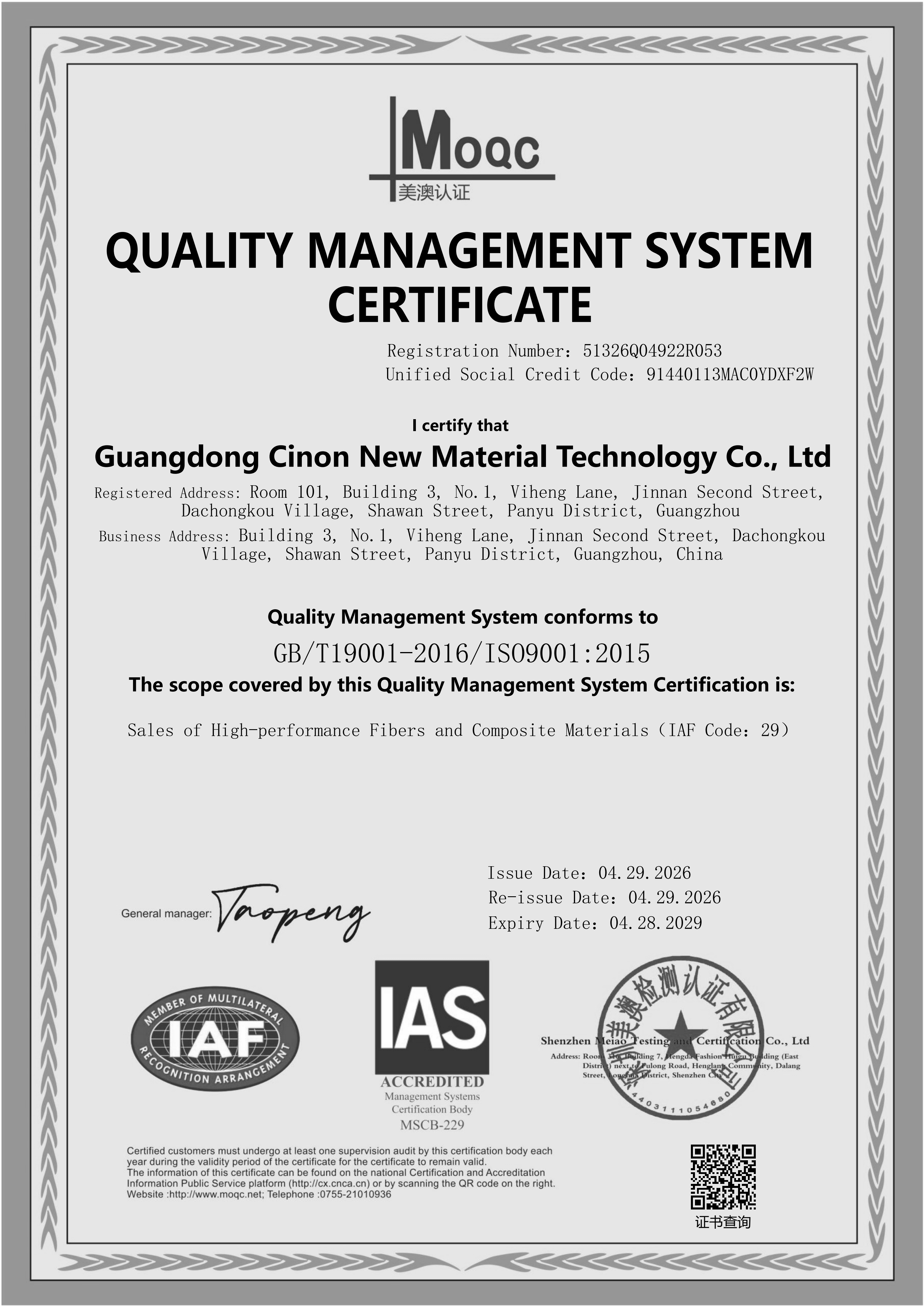
Step 3: Verify Quality Management Systems
Certifications are not just paperwork — they demonstrate a supplier's commitment to consistency. CINON holds ISO 9001:2015 (Quality Management), ISO 14001:2015 (Environmental Management), and ISO 45001:2018 (Occupational Health & Safety). These certifications cover sales of high-performance fibers and composite materials, and are issued by recognized bodies like SGS and Shenzhen Moqc Certification Co., Ltd. Additionally, batch traceability, pre-shipment inspections, and performance test reports are standard practices.
Step 4: Evaluate Technical Support and Engineering Capability
Core material selection often requires expert guidance. Does the supplier have engineers who understand vacuum infusion, resin flow dynamics, and structural design? CINON's team of 25 engineers provides pre-sales material selection consultation, process optimization support, and after-sales troubleshooting. They assist with alternative material recommendations (e.g., suggesting PET foam as a recyclable alternative to PVC for wind energy customers).
Step 5: Analyse Production Capacity and Lead Times
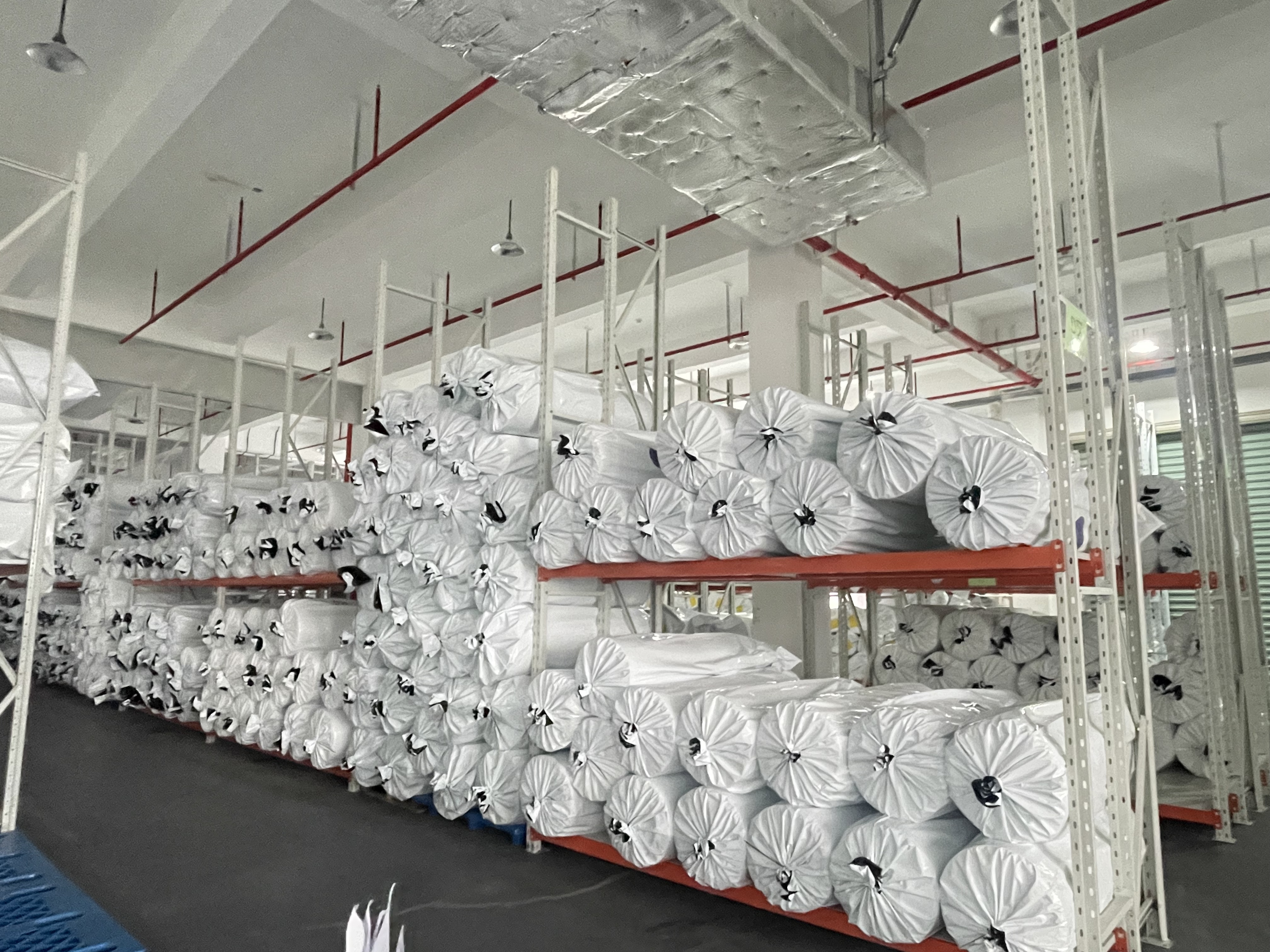
With a 40,000 m² factory and an annual output of 1,200,000 m², CINON demonstrates sufficient capacity to handle both small prototype orders and container-scale production. Standard lead times are 15-30 days, with a minimum order quantity of 1000 m² for most core materials. Their inventory management ensures quick response for urgent projects.
Step 6: Review Real-World Case Studies
Nothing proves capability better than proven results. CINON has delivered successful projects worldwide:
- Marine & Yacht (Australia): Supplied core mat and multiaxial fabrics for vacuum-infused yacht hulls and decks, achieving smooth surface, easy wet-out, and better finish. (Project ID: Australia case)
- UAV Manufacturing (Germany): Provided PMI foam and lightweight fiberglass fabrics for drone wing and fuselage structures, resulting in ultra-lightweight and high-stiffness components. (Project ID: Germany UAV case)
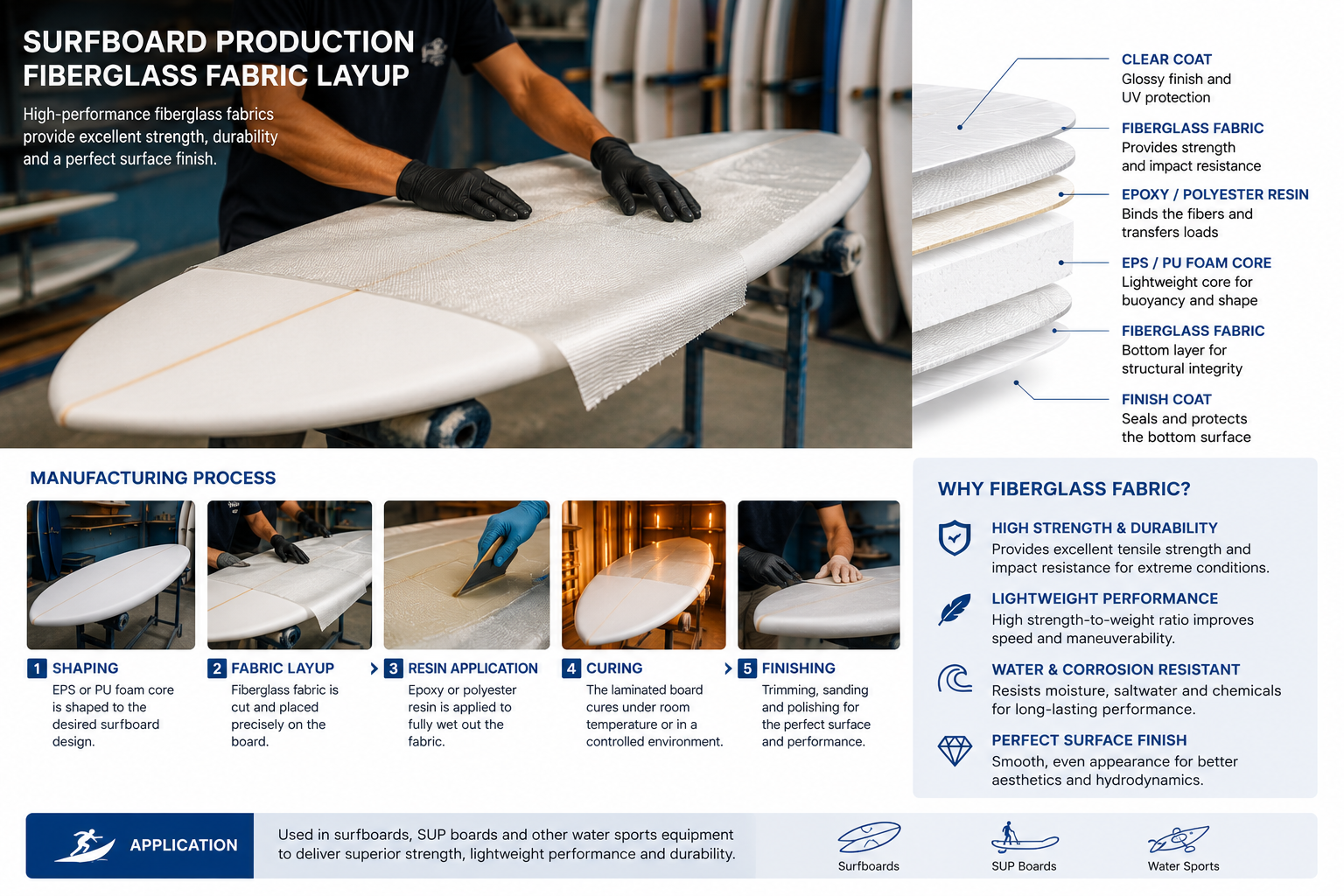
- Sports Equipment (Thailand): Supplied lightweight fiberglass and PET foam for surfboard manufacturing, delivering high buoyancy and impact resistance. (Project ID: Thailand surfboard case)
- RV Manufacturing (United States): Provided PP honeycomb and PET foam for FRP panels, achieving glossy surface treatment with uniform thickness.
Step 7: Check Risk Control Measures
Reliable suppliers implement systematic risk controls. CINON addresses common procurement risks through:
- Incorrect material selection: Pre-order technical evaluation support.
- Batch-to-batch variation: Full batch traceability with lot numbers and density/thickness inspection.
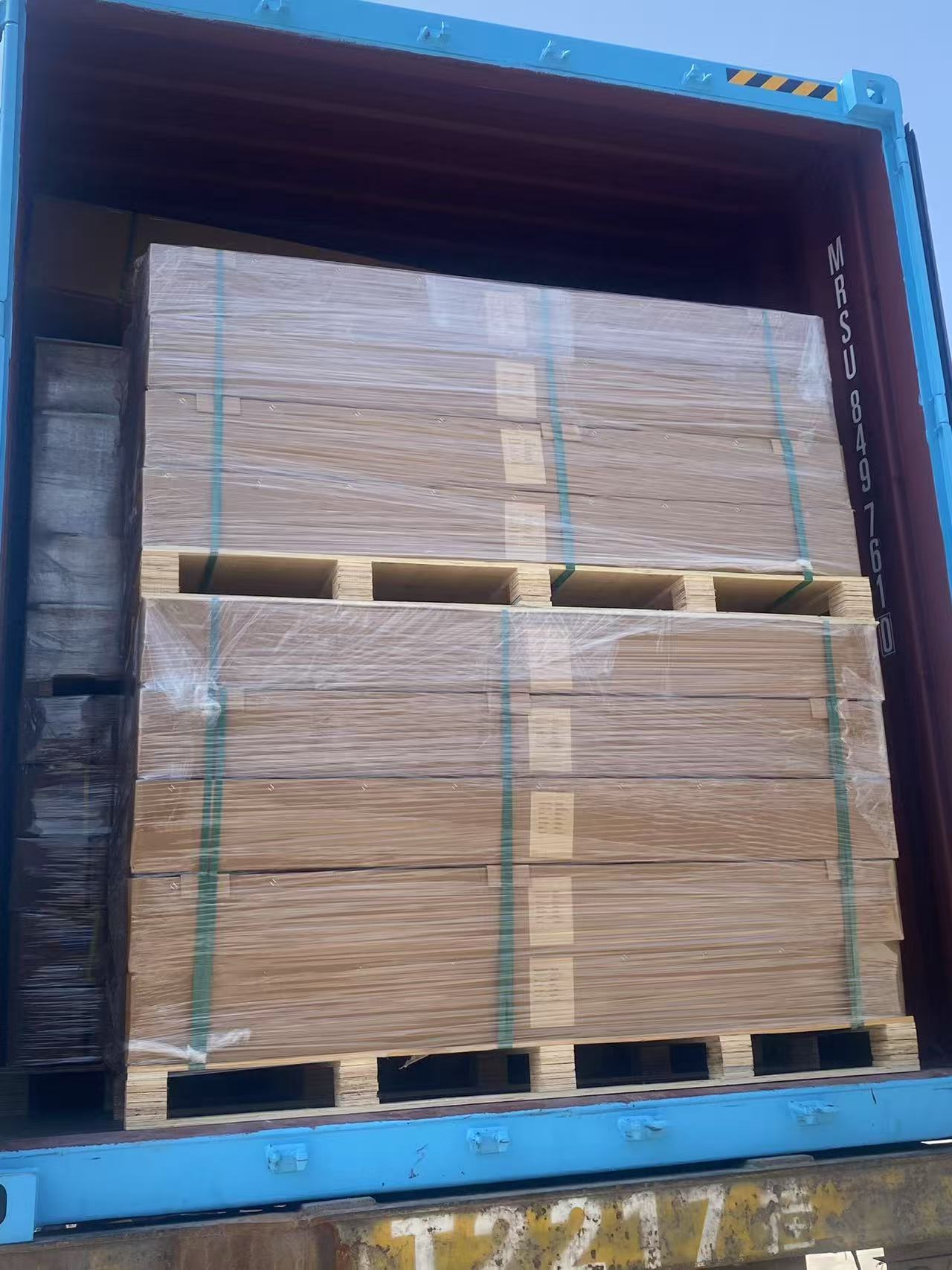
- Transportation damage: Reinforced pallet packaging, moisture-proof wrapping, corner protection for export.
- Delivery delays: Production scheduling and inventory buffer for regular and urgent orders.
Frequently Asked Questions (FAQ)
A: For marine applications, PVC foam (80-100 kg/m³) is widely used for its low water absorption and high shear strength. PET foam is a recyclable alternative for non-critical areas. Infusion core mats like CINON CM series are also popular for lightweight decks and superstructures.
A: Consider mechanical requirements and sustainability goals. PVC foam offers 20-40% higher compression strength, while PET foam is recyclable, has better temperature resistance, and is typically 10-20% lower cost. For wind turbine blades, PET is preferred; for high-load marine structures, PVC is often chosen.
A: Yes. CINON provides ODM and customization for core materials and fiberglass fabrics. Standard sheet sizes (e.g., 1220×2440 mm for PP honeycomb) can be CNC cut, thermoformed, or laminated. OEM labeling is available for distributors.
A: For standard core materials, lead time is 15-30 days. MOQ is 1000 m² for foam cores and honeycombs, and lower for infusion core mats (100 m² for fiberglass fabrics). Sample evaluation is available before bulk orders.
A: CINON is certified under ISO 9001:2015, ISO 14001:2015, and ISO 45001:2018, covering quality, environmental, and occupational health standards. Certificates are issued by SGS and Shenzhen Moqc.
Conclusion
Selecting a core material supplier is a strategic decision that impacts your product's weight, strength, cost, and reliability. By following the seven-step framework — defining requirements, assessing product portfolio, verifying certifications, evaluating technical support, checking production capacity, reviewing case studies, and understanding risk controls — you can confidently choose a partner that meets your needs. Guangdong Cinon New Material Technology Co., Ltd (CINON Composites) stands out as a supplier with a comprehensive product line, global delivery capability, robust quality systems, and proven industry experience. To explore their full product catalog and technical capabilities, download the company brochure below.
Download CINON Core Material Catalog
Get detailed technical specifications, density options, and application guides for PVC, PET, PMI foams, honeycomb cores, and infusion core materials.
Download PDF Brochure →Contact CINON Composites
Email: [email protected] | Tel: +86 186-2098-8848 | WhatsApp: +86 135-8036-3674
Address: Building 3, No.1, viheng Lane, jinnan Second Street, Dachongkou Village, shawan Street, Panyu District, Guangzhou, China
Have Questions or Need More Details?
Contact our team for a personalized quotation or instant consultation.
Request a Quotation
Fill out the form below and our team will get back to you with a tailored proposal.
WhatsApp Direct Chat
Prefer to chat in real-time? Message us on WhatsApp for instant assistance & quick answers.
- Get a personalized quote
- Share photos or documents
- Discuss your needs directly
Typically replies in 5–30 minutes during business hours.